Quick Verdict: CSS or Sanitas?
CSS is the better choice for families, people who value personal service, and those who prefer a traditional insurer with a long track record. Sanitas is the better pick for younger, digitally savvy individuals who want a streamlined app experience and competitive premiums for alternative models. Both are solid insurers — the right choice depends on what you prioritise.
CSS is Switzerland’s largest health insurer by customer count, covering approximately 1.7 million people. Sanitas is the sixth largest, with roughly 860’000 insured. CSS operates as a cooperative (no shareholders, profits reinvested), while Sanitas is part of the Sanitas Group and operates on a more commercially oriented model with a strong focus on digital innovation.
Important
Basic insurance (Grundversicherung/OKP) is regulated by law — the benefit catalogue is identical at CSS and Sanitas. Differences exist only in premiums, insurance models, service quality, and supplementary insurance products.
Company Profiles
CSS: The Traditional Cooperative
Founded in 1899, CSS is the oldest and largest health insurer in Switzerland. As a cooperative, it has no shareholders — surpluses are reinvested or returned to policyholders in the form of stable premiums. CSS is headquartered in Luzern and operates a nationwide network of agencies and service points.
CSS has historically positioned itself as a family-friendly, full-service insurer. It offers a broad range of supplementary products and is known for accessible customer service with physical offices across the country. In recent years, CSS has invested heavily in digital tools, launching the myCSS app and a range of online self-service options.
Sanitas: The Digital-First Challenger
Sanitas, headquartered in Zurich, has repositioned itself over the past decade as the most digitally focused major insurer in Switzerland. Its app is consistently rated among the best in the industry, and Sanitas actively targets younger, tech-comfortable customers.
Sanitas offers competitive premiums particularly in Telmed and digital-first models. It has fewer physical locations than CSS but compensates with strong online and phone-based service. Sanitas also differentiates through health promotion programmes and partnerships with fitness and wellness platforms.
Premium Comparison 2026: Zurich Reference
All premiums are for an adult aged 26+, residing in Zurich (premium region ZH1), with a franchise of CHF 300 and accident coverage included. Values are from BAG-approved 2026 tariffs.
| Model | CSS (CHF/mo.) | Sanitas (CHF/mo.) | Difference |
|---|---|---|---|
| Standard (free doctor choice) | CHF 449.20 | CHF 443.50 | -CHF 5.70 (Sanitas cheaper) |
| Hausarzt (family doctor) | CHF 381.80 (CSS Multimed) | CHF 372.40 (Sanitas NetMed) | -CHF 9.40 (Sanitas cheaper) |
| Telmed (phone triage) | CHF 358.30 (CSS CallMed) | CHF 345.80 (Sanitas CallMed) | -CHF 12.50 (Sanitas cheaper) |
| HMO (group practice) | CHF 342.60 (CSS HMO) | CHF 338.90 (Sanitas CompactOne) | -CHF 3.70 (Sanitas cheaper) |
Sanitas is cheaper across all models in Zurich — by CHF 4 to CHF 13 per month depending on the model. The biggest gap is in the Telmed model, where Sanitas saves you CHF 150 per year. The gap narrows significantly for HMO.
In other cantons, the picture may shift. CSS tends to be more competitive in Central Switzerland (Luzern, Zug, Schwyz) where it has its strongest presence. Always compare premiums for your specific canton and premium region.
Cost Example
With a franchise of CHF 2’500 and the Telmed model in Zurich, CSS costs approximately CHF 261.40 per month, Sanitas approximately CHF 249.80 per month. The difference is CHF 11.60 per month or CHF 139 per year. Combined with the higher franchise savings, both options bring the annual cost well below CHF 4’000.
Insurance Models in Basic Coverage
CSS Models
CSS offers four models in basic insurance:
- Standard: Free choice of doctor. Highest premium.
- CSS Multimed (Hausarzt): You choose a family doctor as your first contact. Saves approximately 15%.
- CSS CallMed (Telmed): You call the CSS medical hotline (Medgate) before every non-emergency doctor visit. Saves approximately 20%.
- CSS HMO: Treatment at a designated group practice. Saves approximately 24%.
CSS partners with Medgate for its Telmed triage — Medgate is Switzerland’s largest telemedicine provider and operates a professional medical call centre. This is a shared infrastructure used by several insurers, but CSS was one of the earliest adopters.
Sanitas Models
Sanitas offers five models:
- Standard: Free choice of doctor.
- Sanitas NetMed (Hausarzt): Family doctor as first contact.
- Sanitas CallMed (Telmed): Phone triage before doctor visits, also via Medgate.
- Sanitas CompactOne (HMO): Group practice model.
- Sanitas Compact (digital-first): A newer model where you start by using the Sanitas app or portal for initial consultation. This model is designed for digitally comfortable users and offers some of the lowest premiums.
Sanitas Compact is the standout differentiator. It is a genuinely digital-first model — not just a phone hotline, but an integrated digital health journey that starts with an in-app assessment. For tech-savvy users comfortable with digital health tools, it offers an excellent premium-to-service ratio.
| Feature | CSS | Sanitas |
|---|---|---|
| Number of basic models | 4 | 5 |
| Digital-first model | No dedicated model | Yes (Compact) |
| HMO available nationwide | Major cities and towns | Major cities, more limited in rural areas |
| Telmed provider | Medgate | Medgate |
Supplementary Insurance Comparison
Ambulatory Supplementary
Both insurers offer comprehensive ambulatory supplementary products. CSS’s flagship is myFlex, a modular system where you choose a tier (Economy, Balance or Premium) for each product. Sanitas no longer sells Classic and Jump to new customers; its current outpatient product is Vital, in three tiers (Basic, Smart, Premium). The table compares Classic, which existing customers keep.
| Benefit | CSS (myFlex Balance) | Sanitas (Classic, existing customers) |
|---|---|---|
| Complementary medicine | Up to CHF 3’000/year (75%) | Up to CHF 5’000/year (80%) |
| Glasses/contacts | Up to CHF 150/year | CHF 300/3 years |
| Fitness/gym contribution | 50%, up to CHF 250/year (health account) | 50%, up to CHF 200/year |
| Emergency abroad | No cap, temporary stays | 90%, up to 180 days (outpatient) |
| Dental (basic) | Children up to 18 only (50%, up to CHF 1’000) | Braces up to age 18 only (50%) |
| Preventive check-ups | Up to CHF 500 every 2 years (health account) | 80%, up to CHF 1’000/year (all prevention) |
| Psychotherapy (beyond KVG) | 75%, up to CHF 1’000/year | 80%, up to CHF 1’000/year (doctor’s prescription) |
Neither plan is clearly ahead. Sanitas Classic pays more for complementary medicine and preventive check-ups, while CSS pays a little more towards fitness and glasses and covers emergencies abroad without a cap. The differences are not dramatic, but they add up over a year.
CSS myFlex’s modular approach is genuinely useful: you pick only the benefit blocks you actually need, potentially paying less than a one-size-fits-all package. Sanitas Vital, which replaced Classic, comes in three fixed tiers: simpler to understand but less customisable.
Hospital Supplementary
Both offer semi-private and private hospital plans. CSS’s hospital supplementary premiums tend to be marginally higher, but CSS provides a wider network of partner hospitals. Sanitas has negotiated sharp rates with a more selective hospital network, which keeps premiums competitive but may limit your choice of facility in some regions.
Supplementary Insurance Premiums
Neither insurer publishes supplementary premiums outside its online calculator. They depend on age, region and the tier you choose. CSS myFlex can be cheaper if you pick a lower tier for the products you need least.
Customer Satisfaction 2026
In the 2025 Comparis customer satisfaction survey, CSS and Sanitas score relatively close — both in the solid middle tier of Swiss health insurers.
| Category | CSS | Sanitas |
|---|---|---|
| Overall satisfaction | 5.0/6 | 4.8/6 |
| Claims processing speed | 5.1/6 | 4.9/6 |
| Customer service quality | 5.0/6 | 4.7/6 |
| Transparency | 4.9/6 | 4.8/6 |
| Willingness to recommend | 4.9/6 | 4.6/6 |
| Digital experience | 4.8/6 | 5.2/6 |
CSS leads in overall satisfaction, claims processing, and customer service — areas where its cooperative culture and physical presence make a difference. Sanitas leads clearly in digital experience, reflecting its significant investment in app development and online tools.
Neither reaches the top tier occupied by SWICA (5.3/6 overall), but both outperform the industry average. CSS’s advantage in personal service and Sanitas’s advantage in digital tools make them complementary options for different user profiles.
Digital Experience
This is where the comparison gets interesting. Both insurers have invested heavily in digital, but their approaches differ.
CSS: myCSS App
The myCSS app has improved substantially in recent years. Key features:
- Digital insurance card
- Receipt photo submission for claims
- Policy and coverage overview
- Premium calculator and model comparison
- Health coaching tools (CSS Active365 programme)
- 4.5-star average on app stores
CSS Active365 deserves special mention: it is a health promotion programme that rewards physical activity, preventive check-ups, and healthy behaviour with points that can be paid out as cash or vouchers, up to CHF 400 per year. This is one of the most generous wellness incentive programmes offered by any Swiss insurer.
Sanitas: Sanitas Portal and App
Sanitas has built what is arguably the best digital health insurance experience in Switzerland. Key features:
- Digital insurance card
- AI-assisted symptom checker
- In-app video consultations with doctors
- Real-time claims tracking with status updates
- Paperless policy management (fully digital contracts)
- Integration with health apps and wearables
- 4.7-star average on app stores
Sanitas’s app goes beyond basic insurance management. The AI symptom checker and in-app video consultations are genuine innovations that most other Swiss insurers have not matched. For users who prefer handling everything on their phone, Sanitas offers the most complete digital journey.
Pro Tip
If digital experience matters to you, download both apps before deciding. The myCSS app is strong for health incentives (Active365), while the Sanitas app excels at actual insurance management and digital health access. Try both and see which workflow suits you.
Claims Handling
CSS processes most standard claims within 5 to 10 business days. Paper submissions take longer; digital submissions via the app are faster. CSS’s physical offices are also available for in-person claims support — useful for complex situations or if you prefer face-to-face assistance.
Sanitas aims for 3 to 7 business days for digital claims and provides real-time tracking in the app, so you always know where your claim stands. However, Sanitas has fewer physical service points, which can be a disadvantage if you encounter a complex issue that benefits from in-person discussion.
Both insurers pay directly to providers for hospital stays and most outpatient treatments (tiers payant system). For other claims, you submit receipts and are reimbursed.
Who Should Choose What?
| Your Profile | Recommended | Why |
|---|---|---|
| Family with children | CSS | Broader service network, family-friendly supplementary products, physical offices |
| Young professional, digitally savvy | Sanitas | Best app experience, competitive Telmed/digital premiums |
| Value personal service | CSS | Higher customer satisfaction, more physical locations |
| Want lowest premium | Sanitas | Cheaper across most models, especially Telmed |
| Use complementary medicine | Either (similar) | CSS Balance pays 75% up to CHF 3’000/year, Sanitas Vital 80% up to CHF 2’500 to 10’000. Consider SWICA or Helsana for no annual cap |
| Want health incentives | CSS | Active365 programme pays up to CHF 400/year for healthy behaviour |
| Live in Central Switzerland | CSS | CSS is often more competitively priced in LU, ZG, SZ |
| Expat, prefer English support | Sanitas | Stronger English-language digital resources and online support |
For a broader comparison including five more top insurers, see our Best Health Insurance Switzerland 2026 ranking, or our SWICA vs Helsana head-to-head.
Pro Tip
You can split your basic and supplementary insurance between different companies. A common strategy: choose Sanitas for basic insurance (lower premiums, great app) and CSS for supplementary insurance (modular myFlex tiers, Active365 rewards). There is no penalty for splitting.
Need help deciding between CSS and Sanitas?
Book a free consultation — 45 minutes by video, no obligation.
Frequently Asked Questions
Is Sanitas cheaper than CSS?
In Zurich, Sanitas is cheaper across all basic insurance models — by CHF 4 to CHF 13 per month. However, the difference varies by canton. In Central Switzerland (Luzern, Zug, Schwyz), CSS is often more competitive. Always compare premiums for your specific canton and premium region using Priminfo.ch or a comparison platform.
Can I have basic insurance with Sanitas and supplementary with CSS?
Yes. Basic insurance and supplementary insurance are separate contracts in Switzerland. You can mix and match insurers freely. This is common and perfectly legal. Many people choose the cheapest basic insurer and a different supplementary insurer with better benefits.
Which has the better app?
Sanitas has the more advanced app overall, with features like an AI symptom checker, in-app video consultations, and real-time claims tracking. CSS’s myCSS app is also strong, especially with its Active365 health incentive programme. Sanitas rates 4.7 stars on average; CSS rates 4.5 stars. If pure digital experience is your priority, Sanitas wins.
What is CSS Active365?
Active365 is CSS’s health promotion programme. You earn points for physical activity, preventive check-ups, healthy eating, mindfulness exercises, and more. Points can be paid out as cash or vouchers, up to CHF 400 per year. The app is free for everyone; to cash out points you need CSS supplementary or property insurance. It is one of the most generous health incentive programmes in the Swiss market.
Which is better for expats?
Sanitas generally offers a more accessible experience for English-speaking expats, with stronger English-language content on its website and app. CSS has been improving its multilingual support but is still primarily oriented toward German, French, and Italian speakers. If in-person support matters and you speak a national language, CSS’s broader office network is an advantage.
How do I switch from one to the other?
For basic insurance, register with the new insurer and then cancel with the current one by November 30 via registered mail (Einschreiben), effective January 1. The new insurer must accept you — no health check required. For supplementary insurance, apply to the new insurer first, pass the health questionnaire, receive confirmation, and only then cancel the old supplementary contract according to its notice period.
 Which insurer suits you?We compare every insurer for your postcode, free and independent.→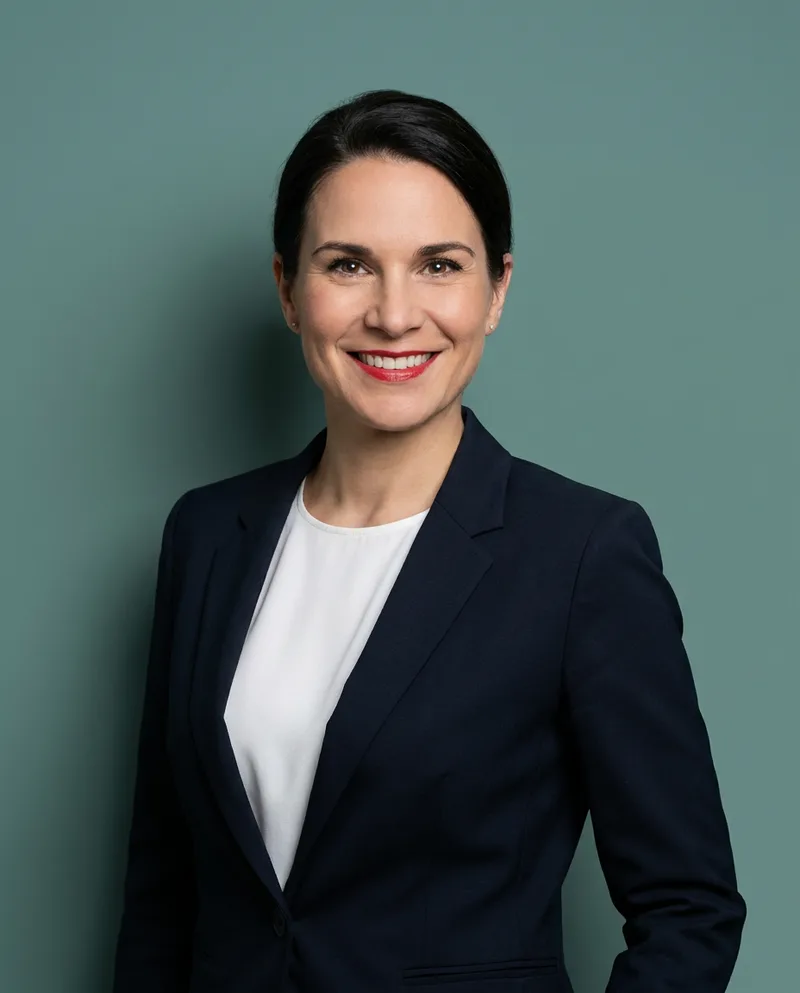
Nicole Bohne
Pension & Relocation Advisor
Nicole Bohne has worked in insurance and pensions for 10 years, including at Basler and Zurich. She specialises in pensions (pillar 3a, risk cover, tax) and in the insurance questions that come with moving to Switzerland. FINMA-registered intermediary (F01536402); she advises in German, English and French.